Herbs for cough: what does the science say?
Cough is one of the oldest uses of medicinal plants. The European Medicines Agency recognises several of them as traditional herbal medicines on the basis of their long history of use. Different herbs are used for productive and dry coughs.
In short
For a productive cough the best-known herb is thyme. For a dry cough, mucilage-rich plants that coat the throat, such as mallow and marshmallow, stand out. None of them has been proven in large clinical trials.
The plants, strongest evidence first
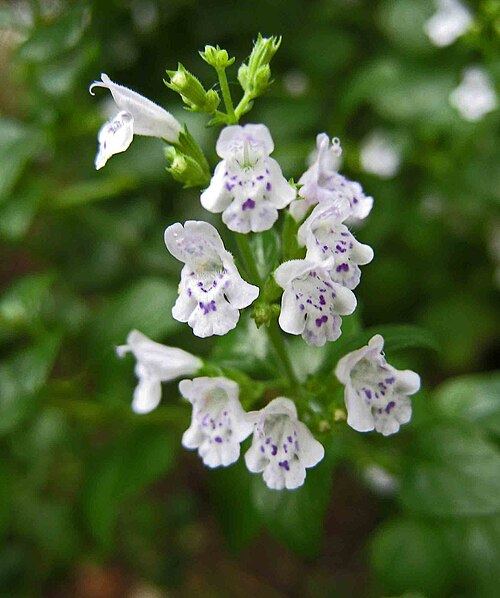
Thyme and oregano Thymus
The European Medicines Agency recognises thyme as a traditional herbal medicine for productive cough. Its thymol and carvacrol show strong antimicrobial effects in the lab.
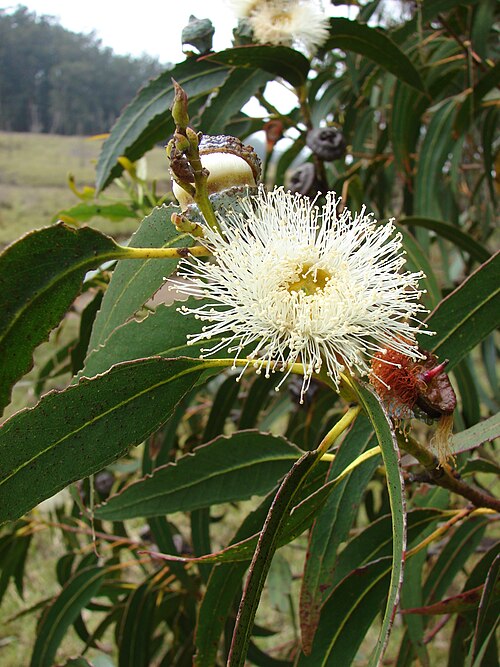
Eucalyptus Eucalyptus globulus
Eucalyptus oil is recognised for traditional use in relieving cough from colds. Controlled studies in bronchitis have used its main compound, cineole.
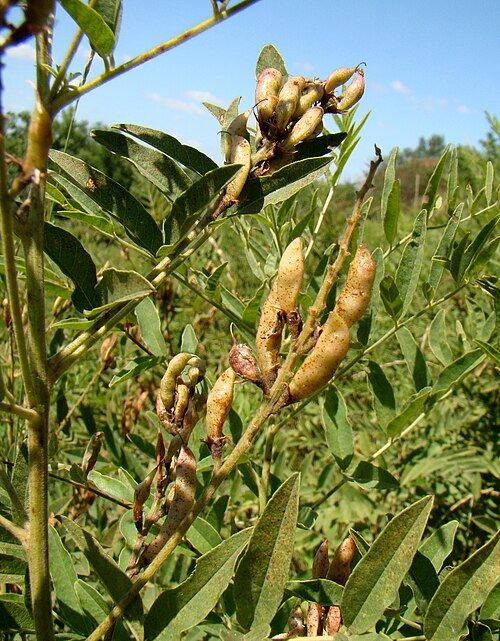
Licorice Glycyrrhiza glabra
Traditional use in cough is recognised. Taken regularly and in large amounts, however, it raises blood pressure.
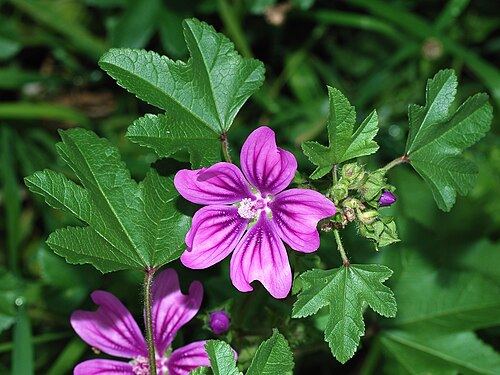
Common mallow Malva sylvestris
The mucilage in its leaves coats the throat. Traditional use in dry cough and throat irritation is recognised.
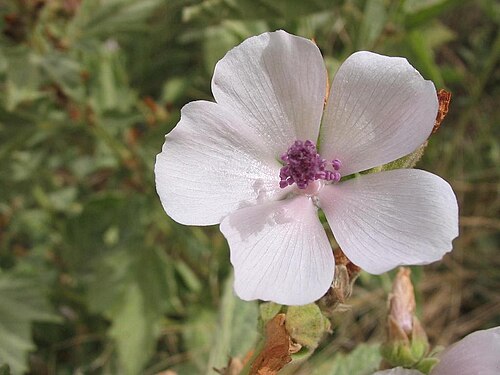
Marshmallow Althaea officinalis
The root is very rich in mucilage. Traditional use in dry cough and mouth and throat irritation is recognised.
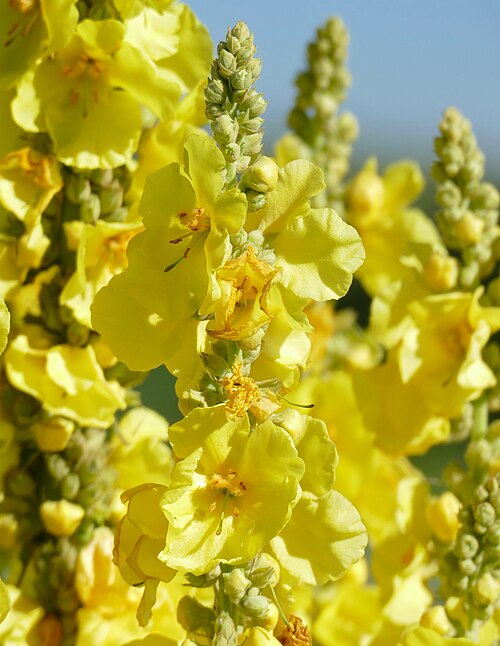
Mullein Verbascum thapsus ve diğer türler
The flower is recognised for traditional use in cough and throat irritation. The tea must be strained; the hairs irritate the throat.
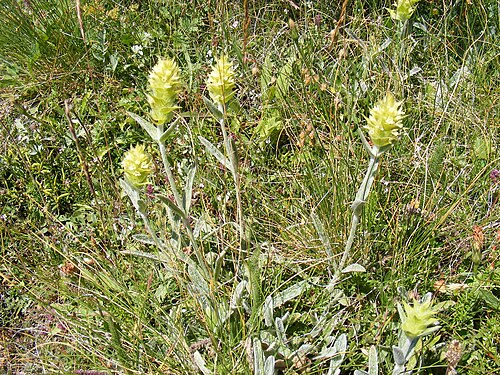
Mountain tea Sideritis türleri
Recognised for traditional use in cough from colds; there are few human studies.