Herbs for indigestion and bloating: which ones actually work?
Gas, bloating and indigestion are among the most common reasons people drink herbal teas. Some herbs here have quite strong evidence; others rest on tradition alone. They are ranked below from the strongest evidence down.
In short
The strongest evidence is for peppermint oil: its capsules reduced irritable bowel symptoms in many trials. Ginger stands out for nausea. Chamomile, fennel, anise and artichoke are accepted in Europe for traditional use in mild indigestion.
The plants, strongest evidence first
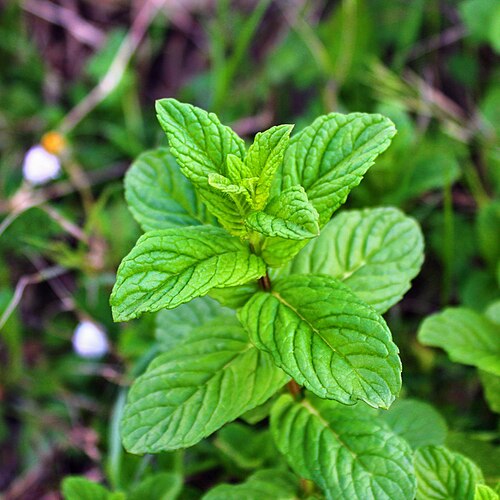
Mint Mentha × piperita
Peppermint oil capsules reduced irritable bowel symptoms more than placebo in many controlled trials. Peppermint leaf is accepted for traditional use in indigestion and gas. It can worsen reflux.
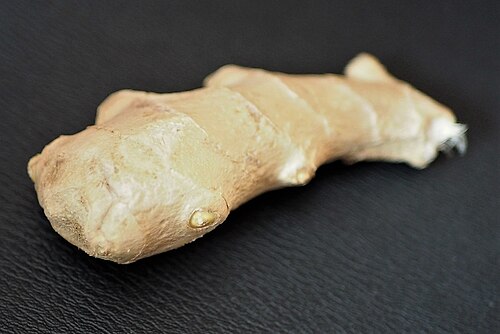
Ginger Zingiber officinale
Its use in nausea from motion sickness is accepted in Europe; small studies in pregnancy nausea are also positive.

Chamomile Matricaria chamomilla
Its use in mild digestive complaints is accepted in Europe.
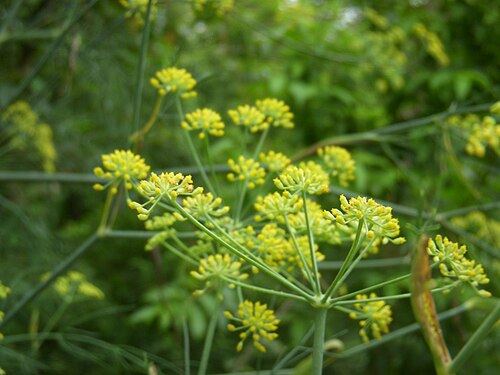
Fennel Foeniculum vulgare
The seed is recognised for mild digestive complaints and gas. It should not be used for long periods by young children or in pregnancy.
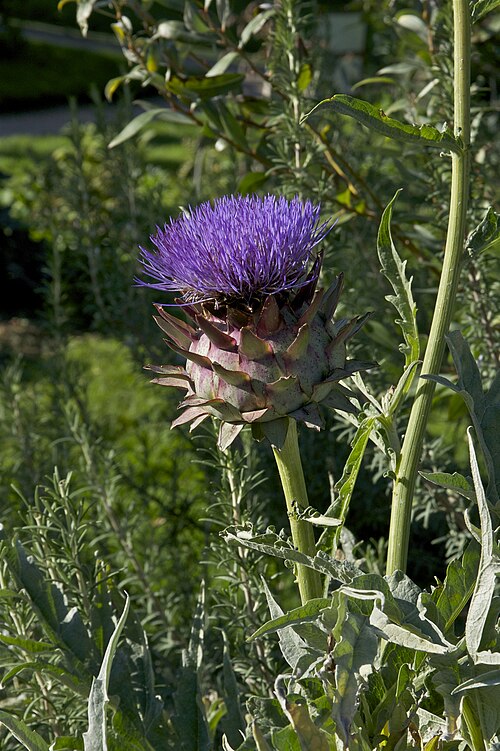
Artichoke Cynara cardunculus var. scolymus
The leaf is recognised for traditional use in mild indigestion and bloating. People with gallstones should not use it.
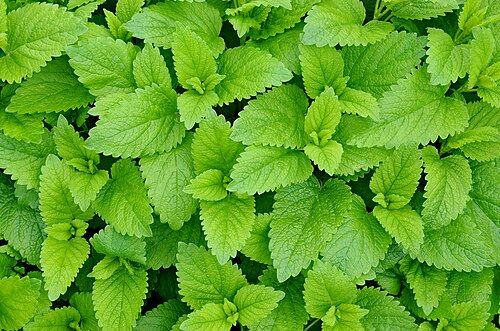
Lemon balm Melissa officinalis
Traditional use in mild digestive complaints is recognised.
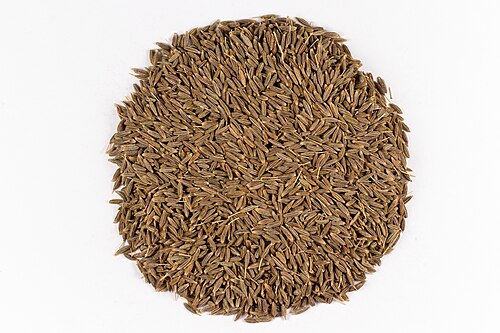
Cumin Cuminum cyminum
Widely used for gas and indigestion; evidence from small studies on irritable bowel is weak.
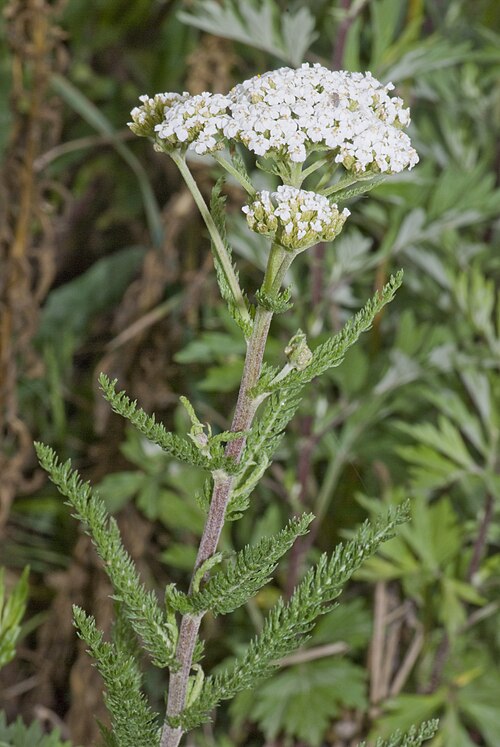
Yarrow Achillea millefolium
Recognised for traditional use in indigestion and loss of appetite; it should not be used in pregnancy.
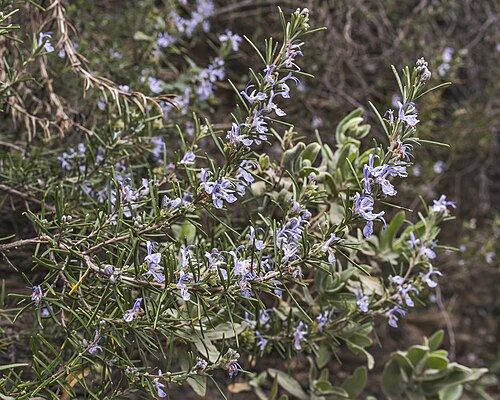
Rosemary Salvia rosmarinus
Traditional use in mild digestive complaints is recognised.