Herbal teas for sleep: which ones have evidence?
On a sleepless night, a herbal tea is often the first thing people reach for. Some of these plants are supported by controlled trials; others rest only on a long history of use. Below, the herbs used for sleep and relaxation are ranked from the strongest evidence down.
In short
The strongest evidence is for standardised oral lavender oil capsules. Valerian, lemon balm and passionflower are recognised in Europe for traditional use in mild sleep problems; chamomile and linden rest mostly on tradition.
The plants, strongest evidence first
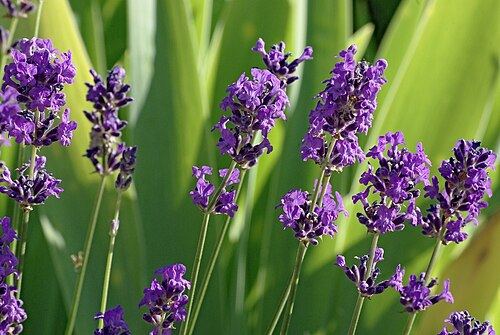
Lavender Lavandula angustifolia
Standardised oral lavender oil capsules beat placebo for anxiety in several controlled trials. The European Medicines Agency recognises lavender for traditional use in mild stress and sleep.
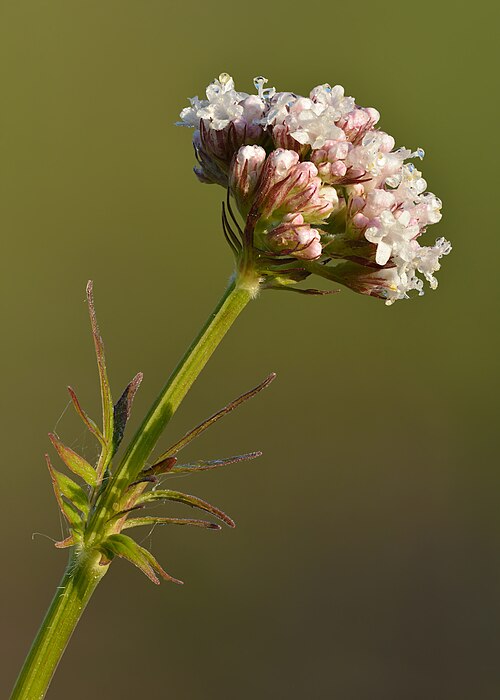
Valerian Valeriana officinalis
The European Medicines Agency recognises valerian root for mild nervous tension and sleep problems. Some studies find a small improvement in falling asleep; others find no difference from placebo.
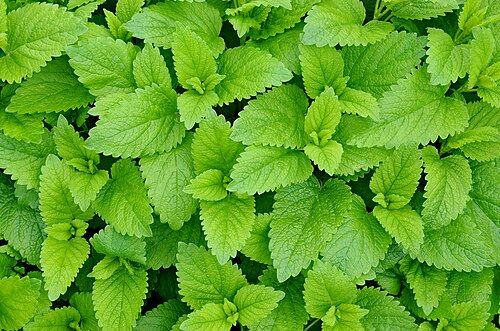
Lemon balm Melissa officinalis
Traditional use in mild stress and sleep problems is recognised. Small studies report improvements in anxiety and sleep.
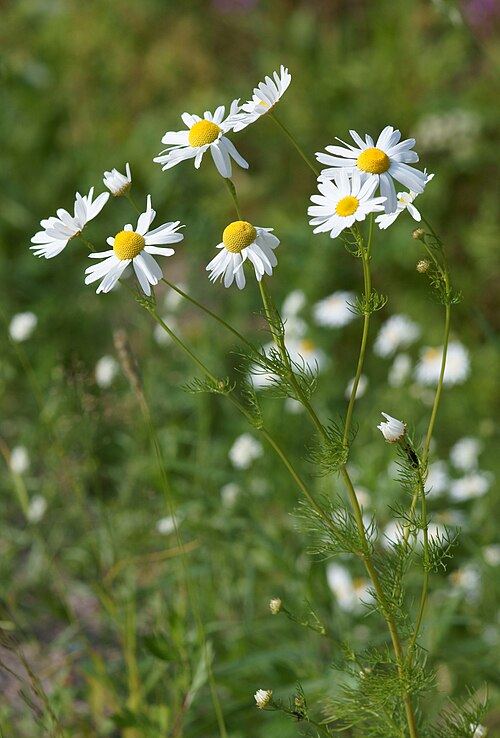
Chamomile Matricaria chamomilla
One of the most popular bedtime teas. Small studies on anxiety are positive; evidence on sleep itself is limited.
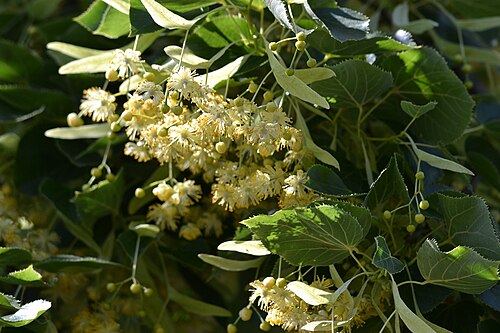
Linden Tilia tomentosa
Traditional use for mild mental stress is accepted in Europe; there are few clinical studies.